Live Magazine Show 2026-2027 edge / Borde
Live Magazine Companion
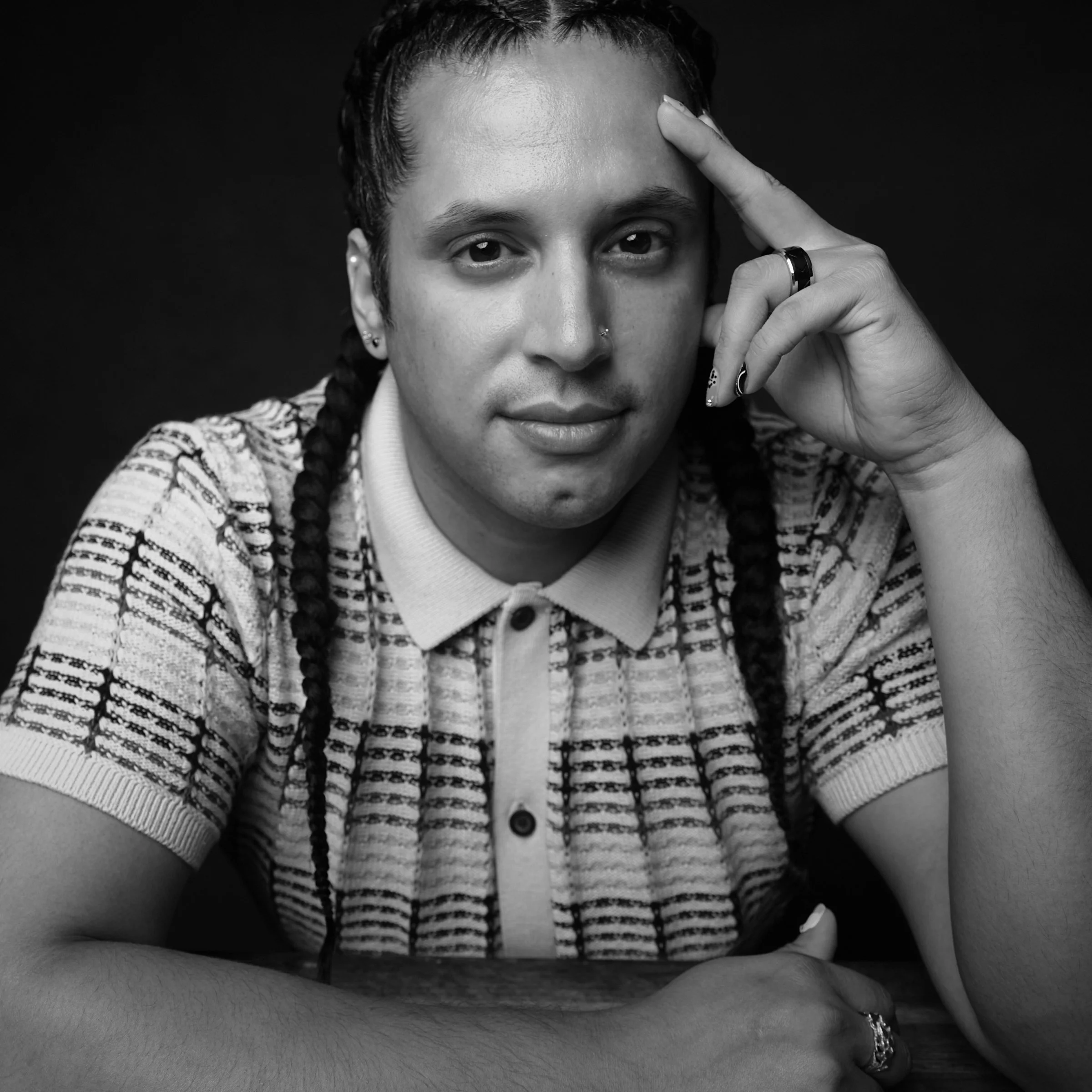
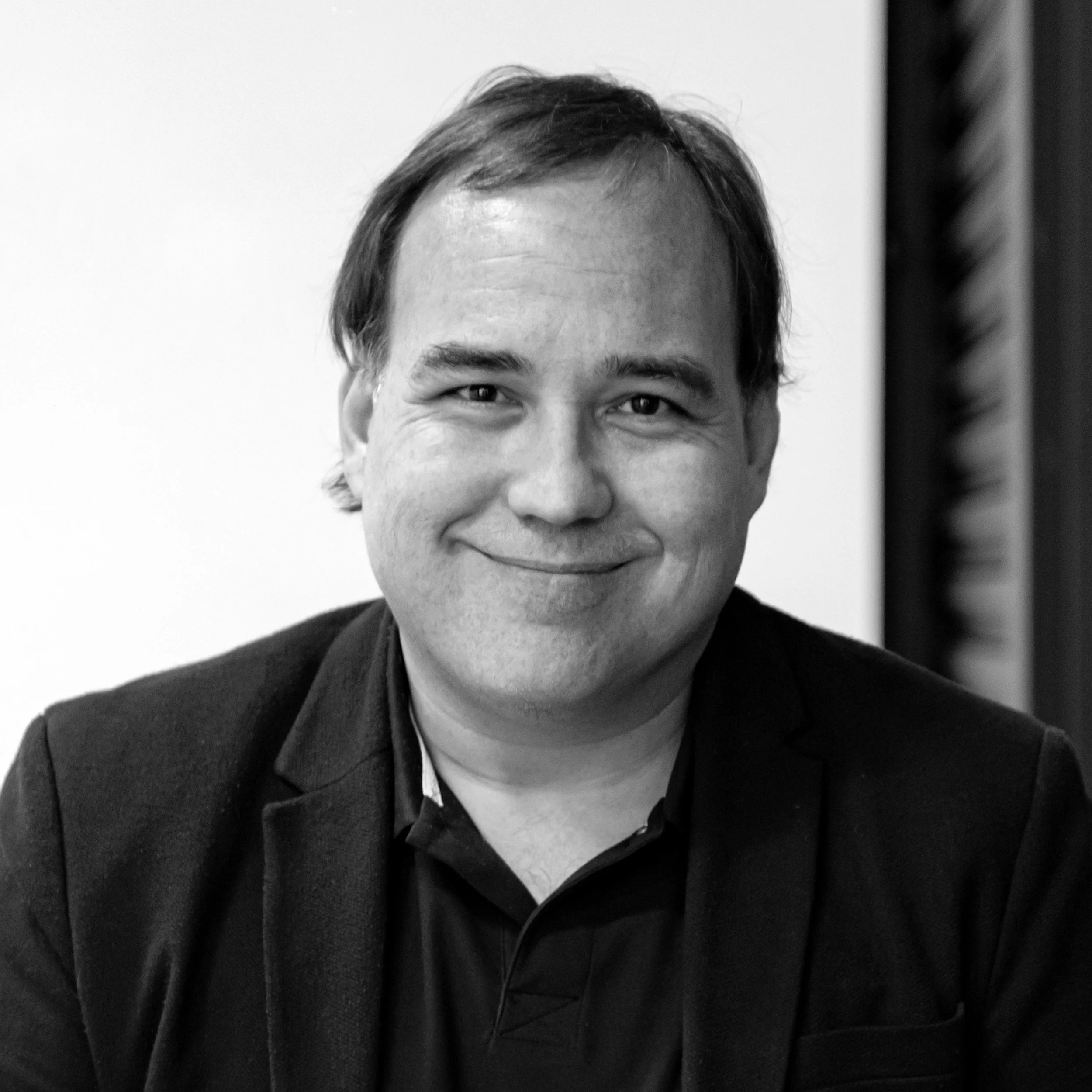
Ricardo Gamboa + Rubén Gutiérrez
TWO VOICES / ONE BODY
DOS VOCES/ UN CUERPO is a performance talk by Ricardo Gamboa and Rubén Gutiérrez interpreted by a drag queen inhabiting a body divided between two voices and two stances regarding history. A narrator, heir to his family’s memory of Mexican migration towards Chicago, reconstructs a city from stories transmitted through generations. The other voice critically confronts the historical structures of racism, exclusion and representation in the United States. It’s not about two personalities, but rather two ethical and political positions regarding one and the same reality. The drag queen functions as a stage device to make this tension visible: one body forced to hold memories, discourse and contradictions that don’t always mesh. The piece moves around a series of questions: Where do we have a right to speak from? Who can tell the story of a place? Can one single body contain incompatible memories?
Somewhere between a lecture, a philosophical essay and a drag performance, DOS VOCES / UN CUERPO proposes that memory, identity and history are not fixed entities, but rather, they are narrative constructs in constant negotiation.
TWO VOICES / ONE BODY es una conferencia performática de Ricardo Gamboa y Rubén Gutiérrez interpretada por una drag queen que encarna un cuerpo dividido por dos voces y dos posiciones frente a la historia. Un narrador, heredero de una memoria familiar ligada a la migración mexicana hacia Chicago, reconstruye una ciudad a partir de relatos transmitidos entre generaciones. La otra voz confronta críticamente las estructuras históricas de racismo, exclusión y representación en Estados Unidos. No se trata de dos personalidades, sino de dos posiciones éticas y políticas frente a una misma realidad. La drag queen funciona como un dispositivo escénico que hace visible esta tensión: un solo cuerpo obligado a sostener memorias, discursos y contradicciones que no siempre coinciden. La pieza se articula alrededor de una serie de preguntas: ¿Desde dónde tenemos derecho a hablar? ¿Quién puede contar la historia de un lugar? ¿Puede un mismo cuerpo contener memorias incompatibles?
Entre conferencia, ensayo filosófico y performance drag, TWO VOICES / ONE BODY propone que la memoria, la identidad y la historia no son entidades fijas, sino construcciones narrativas en constante negociación.
TAGLINE: One body remembers. Another body argues.
LEMA: Un cuerpo recuerda. Otro cuerpo discute.
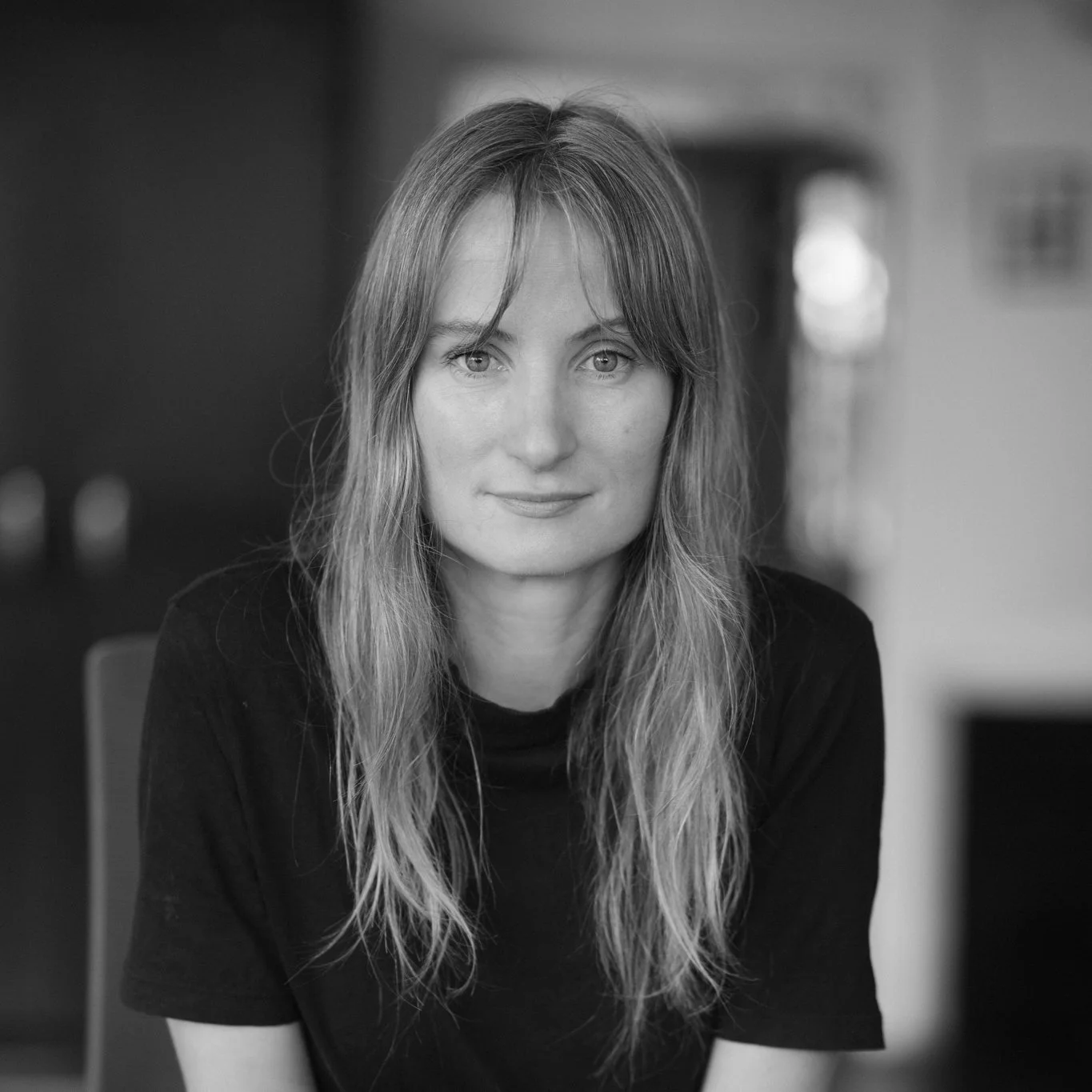
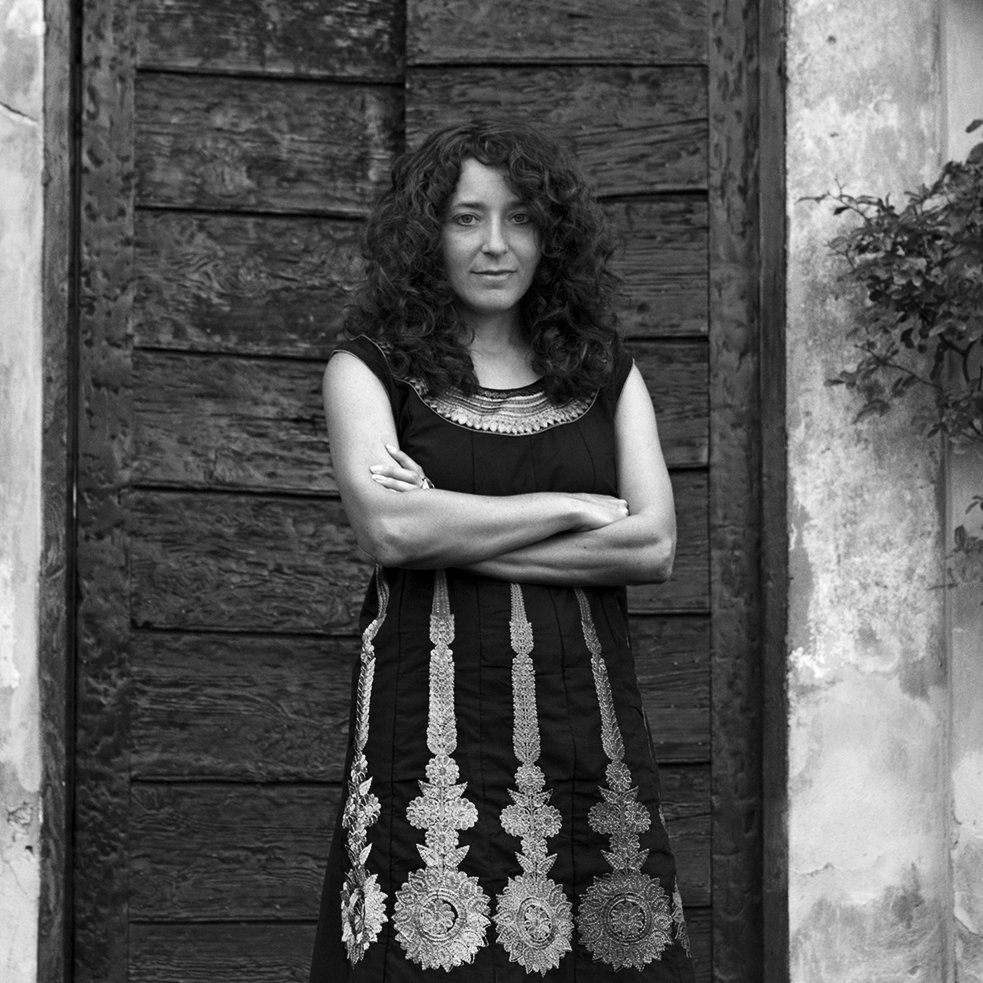
Bárbara Foulkes + Jennifer Scappettone
Sisters Extrañas
These scores by Bárbara Foulkes and Jennifer Scappettone form spells that, yoking poetry to dance, occupy an old bard’s imagination of evils of centuries past that are all too new, testing what kinship beyond blood, kingdom and nation feels like against kingly ambition. Harnesses bind the enchanters in heaves of sisterhood, attuning to the histories in hips, and cast these jolts across the razor’s edge of tyranny, seeking out possibilities for its pranking, yanking, and its fall.
Estas partituras de Bárbara Foulkes y Jennifer Scappettone conforman hechizos que, al vincular la poesía con la danza, habitan la imaginación de un viejo bardo sobre males de siglos pasados que resultan inquietantemente actuales; ponen a prueba qué se siente al forjar vínculos de parentesco más allá de la sangre, el reino y la nación frente a la ambición de los reyes. Unos arneses unen a las encantadoras en un esfuerzo colectivo de sororidad y proyectan estas sacudidas sobre el filo de la tiranía, buscando formas de burlarse de ella, de zarandearla y de provocar su caída.
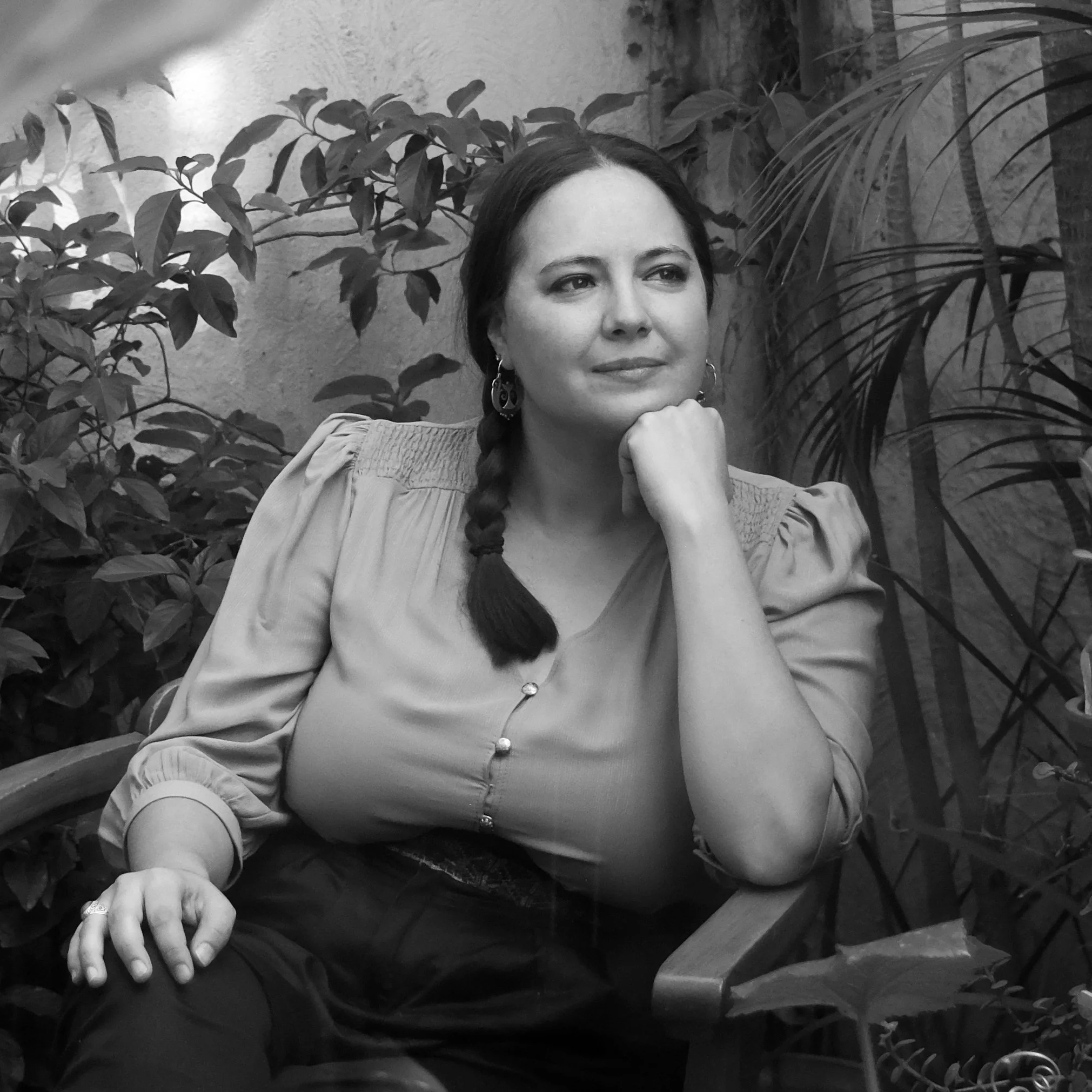
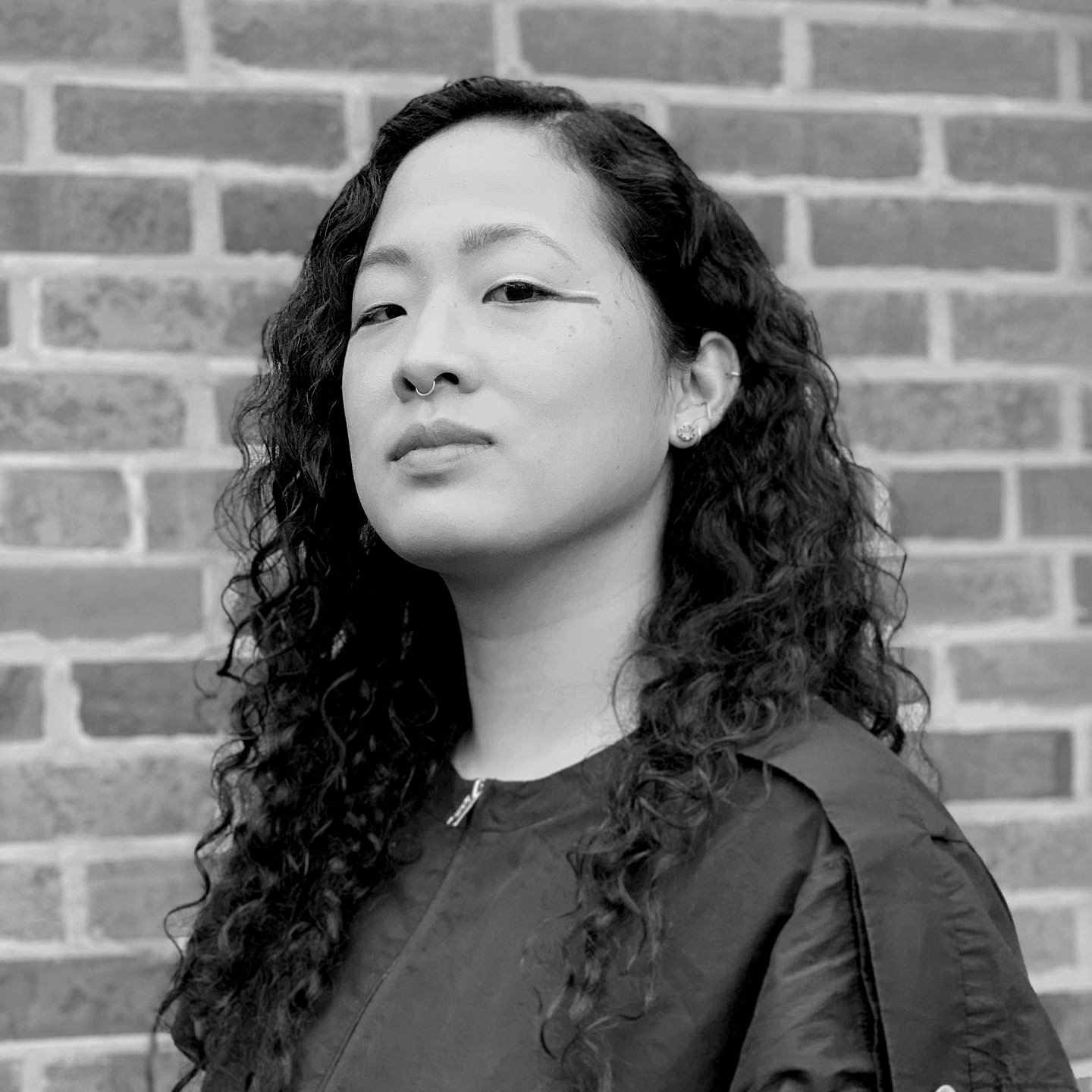
Marina Azahua + Aram Han Sifuentes
Conjuro: Shovel, Drum, Flag / Conjuro: Pala, Tambor, Bandera
At the edge of intersecting experiences working with communities impacted by border violence, this performance by Marina Azahua and Aram Han Sifuentes speaks from the land, in hopes of communicating with the spirits through the evocative power of incantation-conjuro. Korean folk traditions, used by immigrant communities in order to fight for justice, come in dialogue with the vernacular technologies of families who search for mass graves and the 135,000 disappeared in Mexico. In a time when the circulation of deep fear has become rampant, the shovel, the drum and the flag ask how we might protect ourselves from darkness and call upon community in order to thrive.
En la intersección y el borde de trabajo realizado con comunidades impactadas por la violencia fronteriza, este performance habla desde la tierra, buscando entablar comunicación con los espíritus por medio del poder del conjuro-incantation. Las prácticas tradicionales campesinas coreanas, usadas por comunidades inmigrantes para luchar por la justicia, entran en diálogo con tecnologías vernaculares de familias que buscan fosas clandestinas y a las 135,000 personas desaparecidas en México. Cuando el miedo profundo se ha desbocado, la pala, el tambor y la bandera preguntan cómo podemos protegernos de la oscuridad para convocar a la comunidad y florecer.
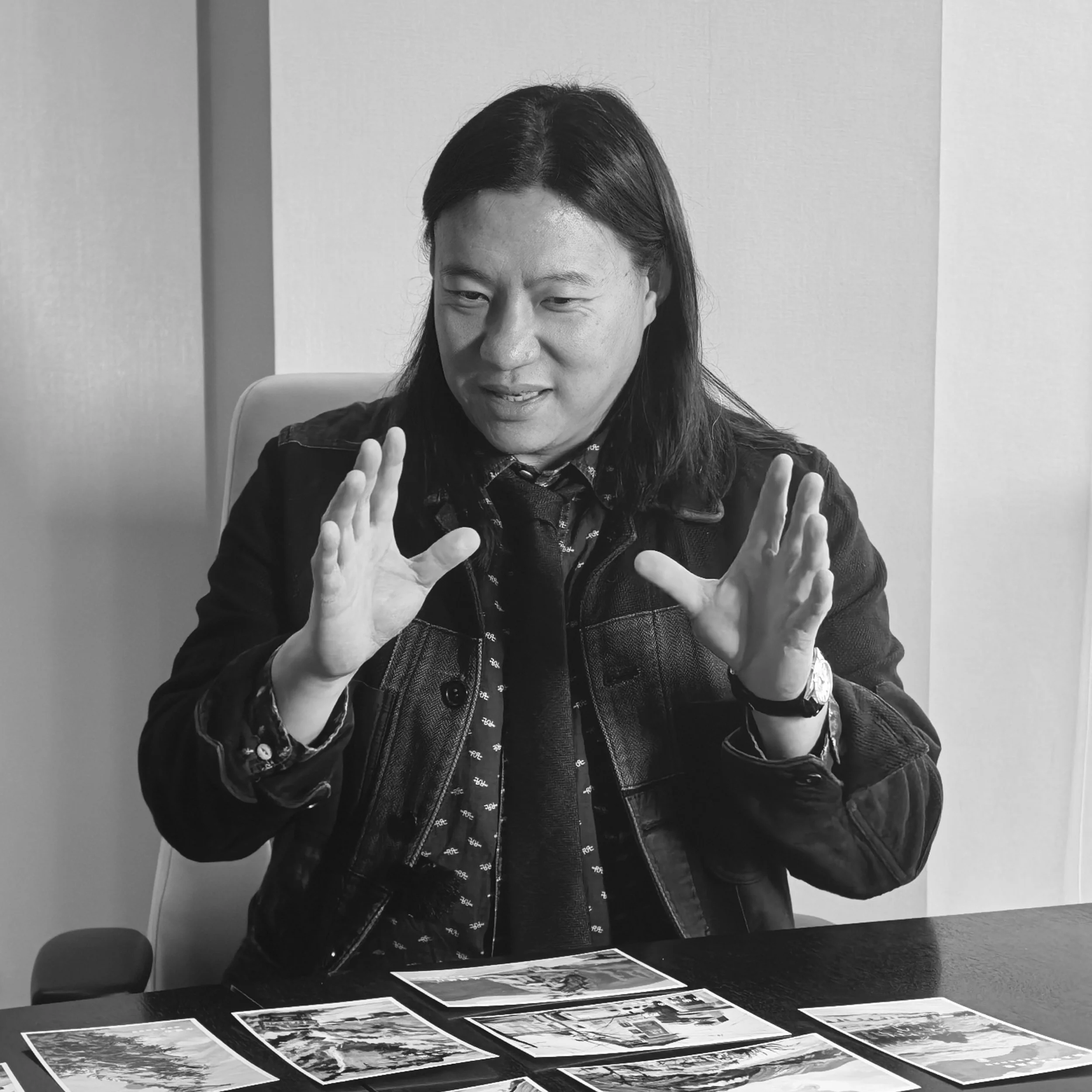
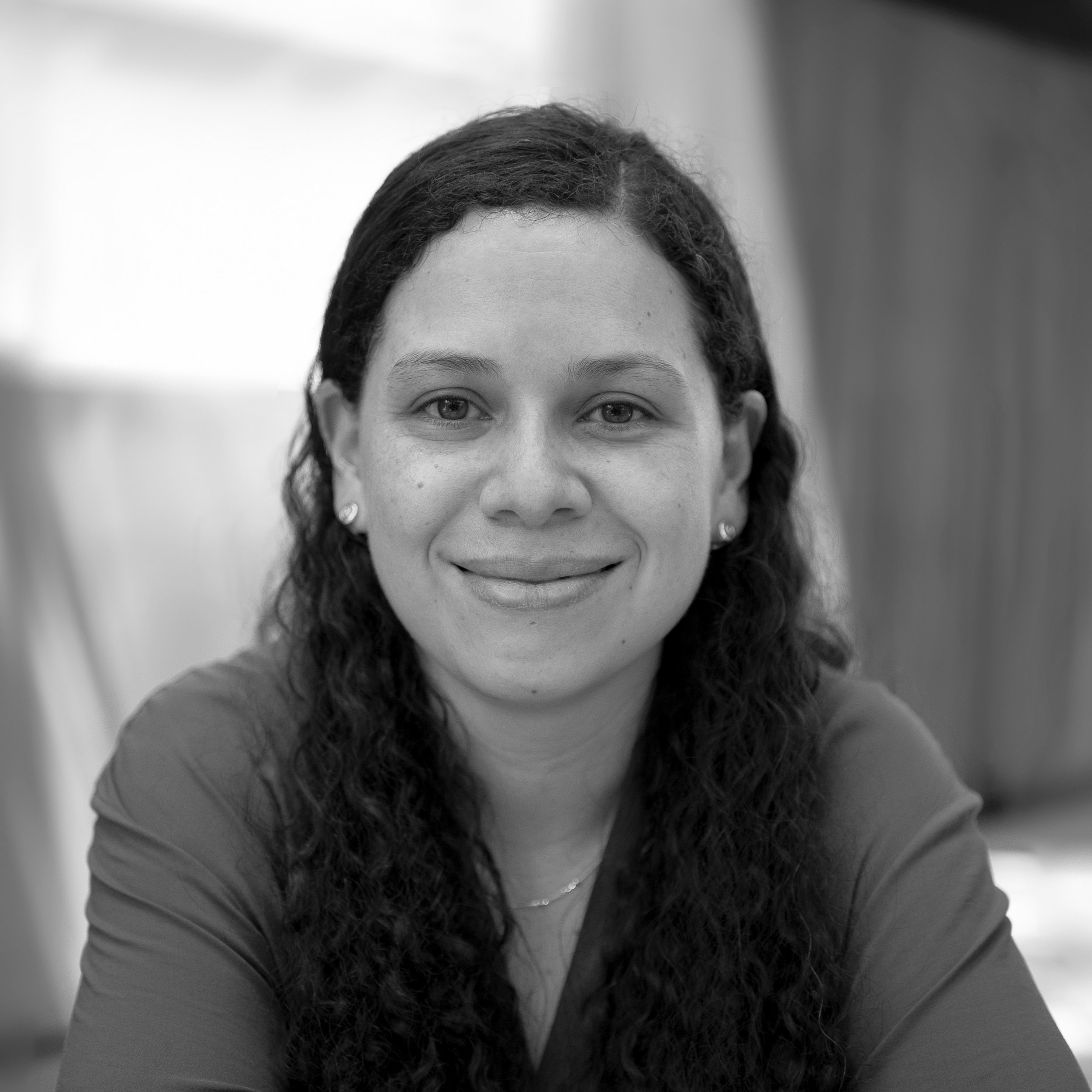
Tongji Philip Qian + Karen Villeda
“Fusang”
"Fusang" is a threshold where bodies negotiate with their own abyss. Deep emotion and great distance trace invisible lines between staying and disappearing. How to inhabit this ambiguity without resolving it? How to recognize that the limits of psychological pain are also porous zones where return is also allowed? Fixed walls have no place in "Fusang:" Karen Villeda and Tongji Philip Qian traverse both directions: Mexico-China. Because calling the abyss by each of its letters doesn't equal pushing towards it, but rather, illuminating the only remaining edge that will hold us.
“Fusang” es un umbral donde los cuerpos negocian con su propio abismo. La emoción profunda y la gran distancia trazan líneas invisibles entre quedarse y desaparecer. ¿Cómo habitar esa ambigüedad sin resolverla? ¿Cómo reconocer que los límites del dolor psíquico son zonas porosas donde también cabe el regreso? Las murallas fijas no tienen cabida en “Fusang”: Karen Villeda y Tongji Philip Qian cruzan en ambos sentidos: México-China. Porque nombrar al abismo con cada una de sus letras no equivale a empujar hacia él, sino a iluminar la única orilla que queda para sostenernos.