Live Magazine Show 2026-2027 edge / Borde
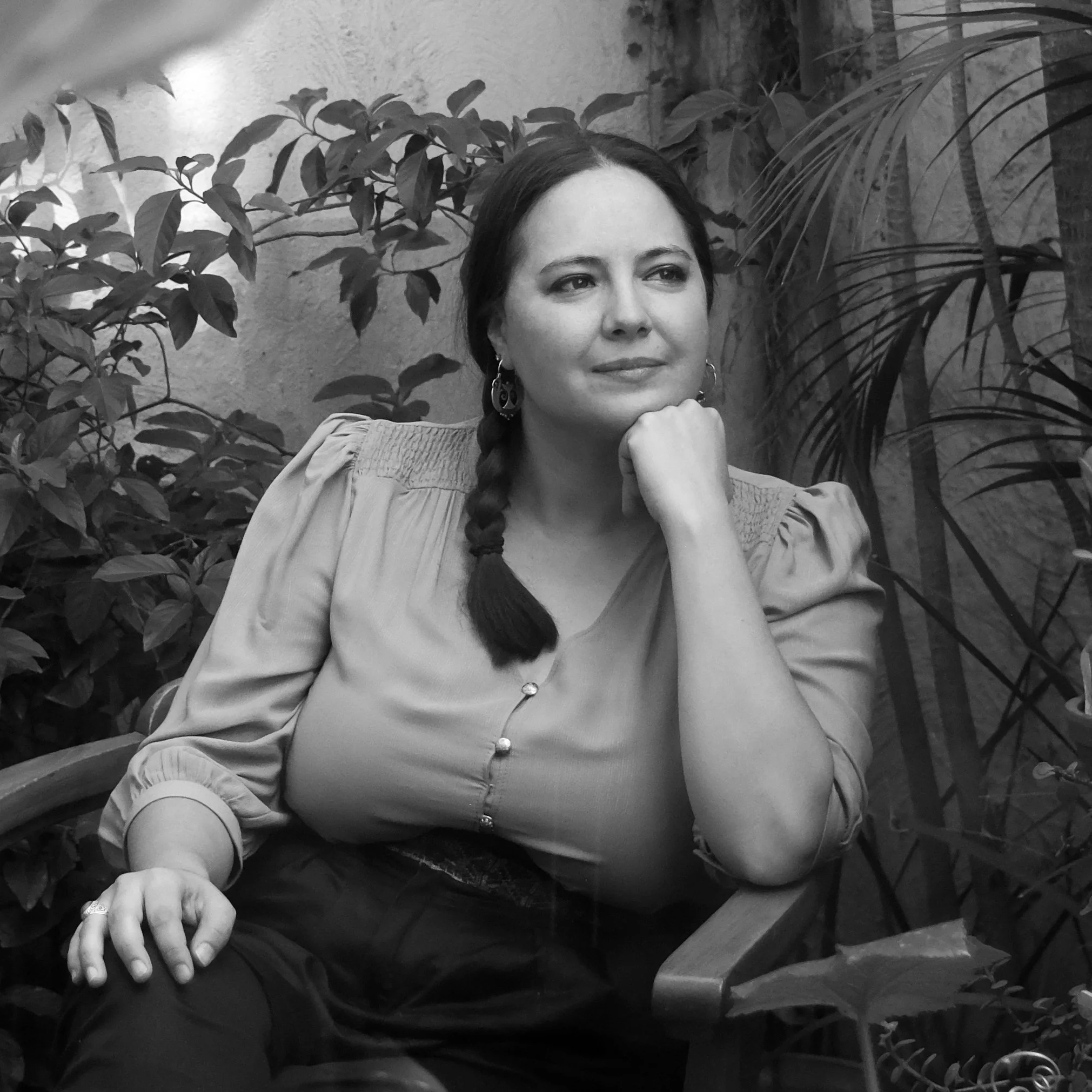
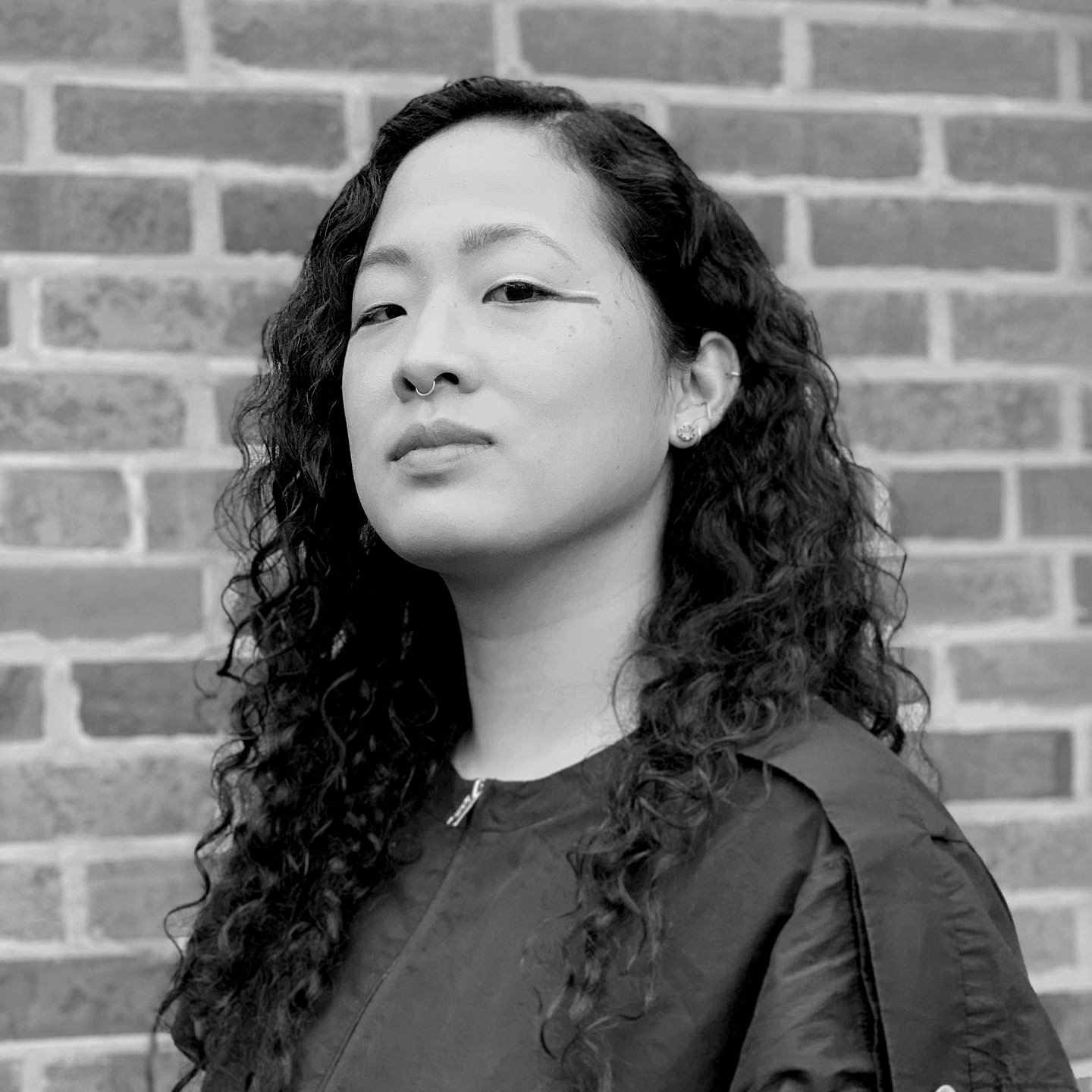
Marina Azahua + Aram Han Sifuentes
Conjuro: Shovel, Drum, Flag / Conjuro: Pala, Tambor, Bandera
FIRST ACT: Shovel, dig the earth.
In Korea there is a tool known as the “nine person shovel”: it is meant to be used by several people working together, all at once. Artist Jeffrey Yoo Warren calls it the “Together Shovel”.
A collective instrument such as this one is meant to make work easier. Nine, six or even four people using it in conjunction can do more work, with greater ease than the same number of people working vigorously with individual shovels.
What are the implications of using a single tool and working together to accomplish something with it? That is the question posed by the Together Shovel.
Difficult tasks become easier when faced together. One pair of eyes is limited and frail. Many eyes are stronger. One hand can do very little by itself. Many hands, working together, make any task more forgiving.
The shovel is an ancient tool. Early humans from the neolithic era used animal bones tied to wooden sticks as shovels. To sow a field, to plant a tree, to dig a trench, to build the foundations of a house… these are just some ways in which any shovel, when used collectively, can become a together shovel.
Burying the dead, of course, is one of the basic tasks of any shovel. And it is something that is never meant to be done alone.
In her extraordinary poem “Antígona González”, the Mexican poet Sara Uribe writes about the labor involved in recognizing a corpse, in finding our dead amongst the many, and giving them proper burial. She writes, and I quote:
“How do we recognize a body? How to know which one is ours if they are all underground and piled up together? What of darkness? What of ash? What of this thick mud that covers it all…”.
After 20 years of violence, in Mexico today 135,000 people have been disappeared. Many lie unrecognized in mass graves, waiting to be found and be given a proper farewell... Thousands of families search for them across the country, alongside its borders, and beyond them. Borders, as we know, are especially lethal.
People who search for the disappeared have come to be known as buscadores. “The ones who search”. The majority are women. Some also call them rastreadoras, “the trackers”. Others call them “las locas de las palas”: the crazy women with the shovels.
The buscadora’s identities have become tightly knit to their tools: boots, picks, probes, sieves, gloves, and yes… shovels. Some have tattoos of their tools. And with these amulets drawn upon their bodies they traverse the landscape in search of treasure. When they find a suspicious spot, they gather round and dig together.
Sometimes the buscadoras find a body, or several. Most of the time, they find nothing. And yet, they keep on searching, always together, carrying their picks and shovels across the land, fighting a fight that is full of love, one shovel-full of soil at a time, across deserts, jungles, mountains, swamps, forests, the bottom of the ocean, the edges of rivers, garbage dumps and fields. Shovel, shovel, shovel... A noun as much as a verb. The sound of its use, its material application, enmeshed into the name of the tool.
In the original play by Sophocles, Antigone pleads to her sister, asking for her help to bury their brother: “Will you share the labor, share the work? […] Will you lift up his body with these bare hands and lower it with me?”. The buscadoras in Mexico have been called Antigones. They ask all of us that same question: Will you help us search? Will you help us bury the dead? Will you help us fight for justice? In their struggle they also ask questions to the dead and their spirits:
“Where can we find you? Help us find you. Tell us where you are. Give us a sign. How might we work together, alongside you, dear spirits, to face this darkness and bring you into the light?
SECOND ACT: Drum, Shake the ground.
In Korean folk tradition, farming is done together. During important moments for harvest, people spend days working the land together, making banners and flags together, eating together, and drumming and dancing together. And whenever Korea has been occupied and colonized, they have fought together.
Korean drumming, pungmul, is also done together. Pungmul players are people who walk upon the land to connect us to the earth and the sky, communicating our body with the spirits.
The word used for the ritual of drumming is the same word used for what shamans do.
To drum is to shake the very ground we are on, to connect the people to the land and the heavens, to ward off evil, and to bring about blessing and harmony. The sound of one drum is unlike the sound of two drums, unlike the sound of many drums. Some things, pungmul reminds us, can only be accomplished by the many.
The search for the disappeared in Mexico is filled with all kinds of sounds that reveal the efforts of the buscadoras. These are some of the sounds in their landscape:
“A group of buscadoras uses picks and shovels to search for mass graves in a field. Guerrero, 2019.”
“A group of buscadoras counts the tools they will use in a search for mass graves.
Guerrero, 2019.”
THIRD ACT: Flag, Speak to the Spirits.
If darkness destroys community, kinship and human ties, then trusting that we can work towards meeting again, after darkness, is fighting for justice.
Both Korean Americans drumming for immigrant justice and the buscadoras’ search in Mexico are a Together Shovel. One that insists on the simple act of holding onto hope and practicing persistence.
“Hasta encontrarte” es el lema de las buscadoras. “Until we find you,” “until we meet again” is the buscadora’s mantra.
Until we find you, all of you who have been disappeared in different parts of the world. Hasta encontrarles, a todas las personas que han sido desaparecidas en distintas partes del mundo.
Hasta encontrarte, when our communities are finally safe and free of fear. Until we find you, cuando nuestras comunidades estén a salvo y sin miedo.
Until we meet again, cuando las armas estén prohibidas y las bombas dejen de caer. Hasta encontrarte, when weapons are banned and bombs have stopped falling.
Hasta encontrarte when borders no longer separate us. Until we meet again, cuando las fronteras se disuelvan.
Until we meet again, cuando nuestros espíritus compartan el mismo reino. Hasta encontrarte even in death, when our spirits are in the same realm.
Hasta encontrarte cuando el mundo sea menos cruel, y quizás más luminoso. Until we meet again, when the world is less cruel, and perhaps more luminous.
“A group of buscadoras walks down a dry river bed, searching for mass graves.
Michoacán, 2019.”
CREDITS AND ACKNOWLEDGEMENTS / SPECIAL THANKS:
Daniela Rea Gómez for the field recording of shovels and picks; Eric Guy for sewing the flag; Jeffrey Yoo Warren for his ongoing research on the Together Shovel, and sharing images (photograph of the Korean shovel is from the Library of Congress and the video is archival film footage by Burton Holmes); Miguel Tovar for the photographs of buscadoras digging; Sara Uribe for her poem Antígona González; Woori Sori (Joyce Kim, Nara Sifuentes, Gina Choi and Youngju Ji) for drumming; Younghye Han for crocheting and flag art design; the entire team at Lit & Luz, MCA Chicago and Museo del Chopo.
CONJURO: PALA, TAMBOR, BANDERA
Aram Han Sifuentes y Marina Azahua
Translated by Marina Azahua
PRIMER ACTO: Pala, escarba la tierra.
En Corea hay una herramienta conocida como la “pala para nueve personas”. Su función es usarla entre varios, trabajando a la par y en conjunto. El artista Jeffrey Yoo Warren la ha llamado la “Together Shovel”, que podría traducirse como la “Pala de la Juntanza”.
Un instrumento colectivo como este tiene el propósito de facilitar el trabajo. Nueve, seis o incluso cuatro personas usándola, en conjunto, logran trabajar más y mejor que el mismo número de personas esforzándose vigorosamente por separado usando palas individuales.
¿Qué implica utilizar una sola herramienta de trabajo, en conjunto, para lograr algo colectivo con ella? Esa es la pregunta que nos ofrece la Pala de la Juntanza. Las encomiendas difíciles se vuelven más fáciles cuando nos enfrentamos a ellas en colectividad. Un par de ojos tiene una visión limitada y frágil. Muchos ojos reunidos se vuelven potentes. Una mano puede hacer poco por sí sola. Muchas manos, trabajando en conjunto, vuelven cualquier tarea más llevadera.
La pala es una herramienta antigua. Los humanos de la época neolítica utilizaron huesos de animales atados a ramas como palas. Para labrar la tierra, para plantar un árbol, cavar una zanja, construir los cimientos de una casa… estos son algunos de los usos que le damos a la pala, que utilizada colectivamente, puede ser una Pala de la Juntanza.
Enterrar a los muertos, por supuesto, es también una de las funciones primordiales de la pala. Algo que, además, pocas veces se hace a solas.
En su extraordinario poema “Antígona González”, la poeta mexicana Sara Uribe
escribe sobre el trabajo que involucra reconocer un cuerpo, la labor de encontrar a nuestros muertos entre los muchos, para darles digna sepultura. Escribe, y cito:
“¿Cómo se reconoce un cuerpo? ¿Cómo saber cuál es el propio si bajo la tierra y apilados? Si la penumbra. Si las cenizas. Si este lodo espeso va cubriéndolo todo...”
Durante veinte años de violencia en México, al menos 135,000 personas han sido desaparecidas a la fecha. Muchas yacen en fosas clandestinas, esperando que les encontremos para darles una despedida adecuada… Miles de familias les buscan a lo largo y ancho del país, a lo largo de sus fronteras y más allá de ellas. Las fronteras, como bien se sabe, resultan especialmente letales.
Las personas que buscan a quienes han sido desaparecidos son conocidas como buscadoras. La mayoría son mujeres. Hay quienes las llaman rastreadoras. Y algunos otros las han llamado “las locas de las palas”.
La identidad de las buscadoras se ha trenzado con sus herramientas: botas, picos, varillas, cribas, guantes, y por supuesto… palas. Algunas llevan imágenes de sus herramientas tatuadas en el cuerpo. Y con estos amuletos trazados sobre la piel atraviesan el paisaje en busca de tesoros. Cuando encuentran un lugar sospechoso, se reúnen a escarbar juntas.
A veces las buscadoras descubren un cuerpo, o varios. La mayoría de las veces no encuentran nada. Y sin embargo, siguen buscando, siempre juntas, cargando sus picos y sus palas atraviesan todo tipo de terreno, luchando esta lucha repleta de amor, una palada de tierra a la vez, mientras caminan desiertos, selvas, montañas, lodazales, bosques, el fondo del océano, el borde de los ríos, basureros y campos de cultivo. Pala, pala, pala… Un sustantivo que también suena a verbo onomatopéyico. El sonido de su uso, su aplicación material, enredada en el nombre mismo de la herramienta.
En la obra de teatro de Sófocles, Antígona le ruega a su hermana, pidiéndole ayuda para que le auxilie en el entierro de su hermano: “¿Compartirás conmigo esta labor, compartirás este esfuerzo? […] ¿Me ayudarás a levantar el cadáver para enterrarlo?” Las buscadoras en México han sido llamadas Antígonas. Y nos hacen la misma pregunta: ¿Nos ayudarán a buscarles? ¿Nos ayudarán a enterrar a los muertos? ¿Nos ayudarán a luchar por la justicia? Por medio de su lucha también le ofrecen preguntas a los muertos y a sus espíritus:
¿Dónde les podemos encontrar? Ayúdenos a encontrarles. Díganos dónde están. Envíenos una señal. ¿Cómo podemos trabajar juntos, codo a codo, queridos espíritus, para enfrentarnos a esta oscuridad y lograr traerlos a la luz?
SEGUNDO ACTO: Tambor, tiembla la tierra.
En la tradición popular coreana, cultivar es algo que se hace entre muchas personas, siempre en colectivo. En momentos importantes de cosecha, la gente pasa sus días trabajando la tierra en conjunto, elaborando banderas y estandartes entre varios, comiendo juntes, tocando los tambores y bailando en grupo. Y cuando Corea ha sido ocupada y colonizada, también han luchado en conjunto.
El arte del tambor coreano, llamado pungmul, también se lleva a cabo en colectivo. Quienes tocan los tambores atraviesan territorios para conectar la tierra con el cielo, comunicando nuestros cuerpos con los espíritus.
La palabra que se utiliza en coreano para describir el tocar los tambores es la misma palabra que se usa para describir lo que hacen los chamanes.
Tocar el tambor implica poner a temblar la tierra sobre la que estamos, conectar a las personas con el territorio y con los cielos, protegernos del mal y atraer bendiciones y armonía. El sonido de un tambor no se parece en nada al sonido de dos tambores, y es completamente distinto al sonido de muchos tambores. Algunas cosas, nos recuerda el pungmul, sólo pueden lograrse entre muchos.
La búsqueda de personas desaparecidas en México está llena de todo tipo de sonidos que revelan los esfuerzos de las buscadoras. Estos son algunos de los sonidos de su paisaje:
“Un grupo de buscadoras usa picos y palas para buscar fosas clandestinas en un campo de cultivo. Guerrero, 2019”.
“Un grupo de buscadoras cuenta herramientas que serán utilizadas durante una búsqueda de fosas clandestinas. Guerrero, 2019”.
TERCER ACTO: Bandera, hablar con los espíritus.
Si la oscuridad aniquila lo comunitario, las afinidades y los vínculos humanos, entonces una forma de luchar por la justicia implica confiar en que seremos capaces de encontrarnos de nuevo al otro lado de la oscuridad.
La comunidad inmigrante coreano-estadounidense que toca los tambores y lucha por justicia, y las comunidades de buscadoras en México, son ambas como una Pala de la Juntanza. Una que insiste en aferrarse a la esperanza y practicar la persistencia.
“Hasta encontrarte” es el lema de las buscadoras. “Until we find you”, “Until we meet again”, is the buscadora’s mantra.
Until we find you, all of you who have been disappeared in different parts of the world. Hasta encontrarles, a todas las personas que han sido desaparecidas en distintas partes del mundo.
Until we find you, cuando nuestras comunidades estén a salvo y sin miedo.
Hasta encontrarte, when our communities are finally safe and free of fear.
Hasta encontrarte, when weapons are banned and bombs have stopped falling. Until we meet again, cuando las armas estén prohibidas y las bombas dejen de caer.
Until we meet again, cuando las fronteras se disuelvan. Hasta encontrarte when borders no longer separate us.
Hasta encontrarte even in death, when our spirits are in the same realm. Until we meet again, cuando nuestros espíritus compartan el mismo reino.
Until we meet again, when the world is less cruel, and perhaps more luminous. Hasta encontrarte cuando el mundo sea menos cruel, y quizás más luminoso.
“Un grupo de buscadoras camina sobre el lecho seco de un río, buscando fosas clandestinas. Michoacán, 2019.”
CRÉDITOS Y RECONOCIMIENTOS / AGRADECIMIENTOS ESPECIALES
Daniela Rea Gómez por la grabación en campo de las palas y picos; Eric Guy por coser la bandera; Jeffrey Yoo Warren por su investigación en curso sobre la Together Shovel y por compartirnos imágenes (la foto de la pala coreana es de la Biblioteca del Congreso y el video es imagen en movimiento de archivo captada por Burton Holmes); Miguel Tovar por las fotos de las buscadoras cavando; Sara Uribe por su poema Antígona González; Woori Sori (Joyce Kim, Nara Sifuentes, Gina Choi and Youngju Ji) por tocar los tambores; Younghye Han por el tejido a gancho y el arte y diseño de la bandera; y a todo el equipo de Lit & Luz, el MCA Chicago y el Museo del Chopo.